
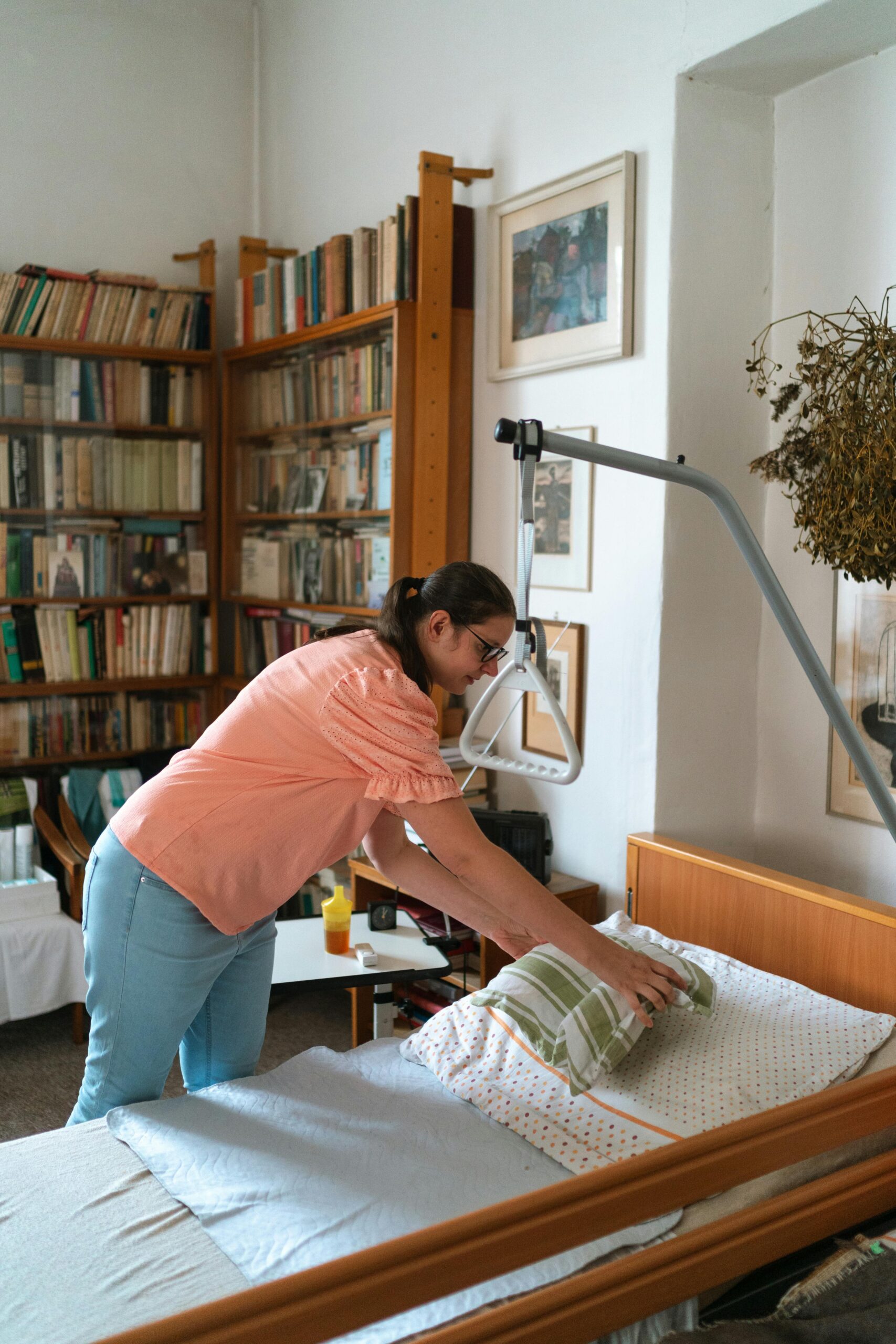
Domiciliary Care Support
Providing safe, high-quality care in people’s own homes requires strong systems, skilled staff, and clear leadership. We support domiciliary care providers to deliver person-centred care that meets regulatory requirements and promotes independence, dignity, and wellbeing.
Whether you are starting a new domiciliary care service or strengthening an existing one, our team provides practical guidance and ongoing support to help you operate with confidence.
What Is Domiciliary Care?
Domiciliary care (home care) supports individuals in their own homes with daily living activities, personal care, medication support, companionship, and practical assistance.
High-quality domiciliary care enables people to remain in familiar surroundings while receiving safe, responsive, and compassionate support. Delivering this level of care requires robust governance, trained staff, and compliance with Care Quality Commission standards.
Who We Support
| New providers setting up a domiciliary care agency | Established home care services seeking compliance support | Providers preparing for registration or inspection | Services responding to inspection feedback or aiming to improve ratings |
We tailor our support to your service model, size, and stage of development.
How We Can Help
Our experienced consultants provide hands-on support across all aspects of domiciliary care delivery.
Support includes:
Domiciliary care service setup and development
CQC registration and inspection preparation
Policies, procedures, and quality assurance frameworks
Staffing structures, recruitment, and training
Care planning, safeguarding, and risk management
Governance, audits, and ongoing compliance monitoring
Our focus is on helping you deliver safe, effective, and well-led care.
Our Approach
We understand the day-to-day challenges faced by domiciliary care providers, including workforce pressures, regulatory demands, and inspection readiness.
Our approach is practical, supportive, and tailored. We work alongside you to strengthen systems, embed good practice, and clearly evidence compliance — helping you build a service that is both compliant and sustainable.

Why Choose Us
Strong understanding of domiciliary care regulations
Practical, realistic consultancy — not a tick-box approach
Clear guidance aligned with CQC expectations
Support focused on quality, safety, and improvement
Flexible support to suit your service needs
Strong understanding of domiciliary care regulations
Practical, realistic consultancy — not a tick-box approach
Clear guidance aligned with CQC expectations
Support focused on quality, safety, and improvement
Flexible support to suit your service needs
If you are setting up a domiciliary care service, preparing for registration or inspection, or looking to improve quality and compliance, we are here to support you.